

Have you noticed how everyone is buzzing about pineapple lately? In 2026, pineapple helps in weight loss has become a top trend among health experts and nutrition circles.
This expert guide is your go-to resource for understanding why pineapple is gaining so much attention. We reveal how pineapple can support your weight loss journey naturally, with insights backed by science and leading nutritionists.
Our purpose is simple: to give you trustworthy, evidence-based tips on using pineapple for healthy, sustainable weight loss. You’ll discover nutritional benefits, how pineapple works with your body to burn fat, practical steps for your daily routine, expert opinions, and even common myths to watch out for.
Ready to see how pineapple can make weight loss easier and more enjoyable? Let’s dive in together!
The Nutritional Power of Pineapple
Pineapple is more than just a tropical treat. Its impressive nutritional profile is one of the main reasons pineapple helps in weight loss, and understanding these benefits can help us make smarter choices every day.
Rich in Vitamins and Minerals
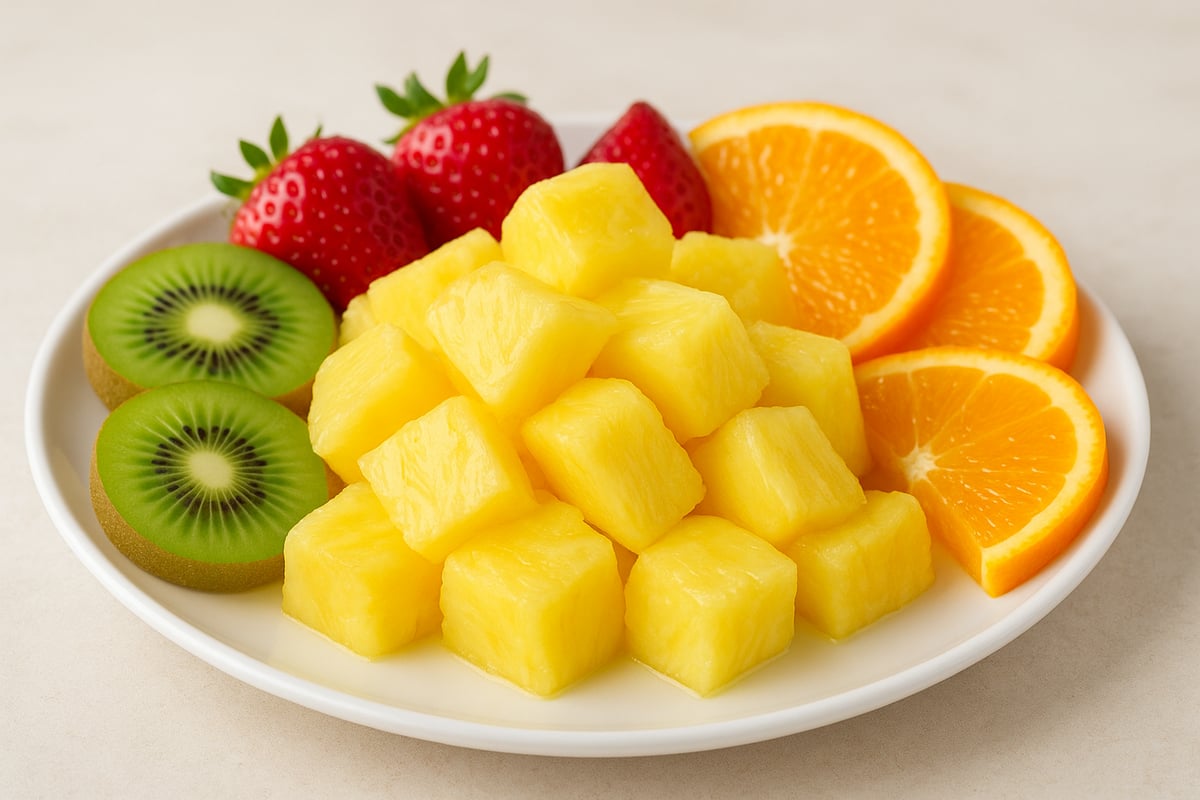
Pineapple is packed with essential nutrients that support our health. When we look at how pineapple helps in weight loss, its high vitamin C content stands out, providing more than 100% of our daily needs in just one cup. This vitamin boosts our immune system and helps the body repair tissues.
Manganese is another key mineral in pineapple, supporting metabolism and bone strength. Trace minerals like copper, folate, and thiamine also play important roles in energy production and red blood cell formation.
Let’s compare pineapple’s nutrients with other fruits:
| Fruit | Vitamin C (% DV) | Manganese (% DV) | Fiber (g) |
|---|---|---|---|
| Pineapple | 131 | 76 | 2.3 |
| Orange | 88 | 2 | 3.1 |
| Banana | 17 | 13 | 3.1 |
Pineapple clearly shines as a nutritional powerhouse. For more details, check out Pineapple’s Nutritional Profile.
High Water and Fiber Content
Hydration is crucial for weight management, and pineapple helps in weight loss by providing over 85% water per serving. This high water content keeps us hydrated and helps control our appetite, making us feel full and satisfied with fewer calories.
Fiber is another essential element. Each cup of pineapple offers about 2.3 grams of fiber. This dietary fiber supports healthy digestion and keeps things moving smoothly in our gut. When we choose pineapple over low-fiber, high-calorie snacks, we naturally eat less and feel fuller for longer.
Incorporating pineapple into our snacks and meals can help us reach our goals without feeling deprived.
Low Calorie Density
When considering weight loss, calorie density is a game changer. Calorie density refers to the number of calories in a specific volume of food. Foods with low calorie density, like pineapple, let us eat larger portions while consuming fewer calories.
Pineapple helps in weight loss because a single cup contains only 82 calories. Compare that to many processed snacks, which can pack in double or triple the calories for the same volume. This makes it much easier to stick to a calorie-conscious eating plan.
By enjoying pineapple as a snack or dessert, we can control our portions and reduce our overall calorie intake without sacrificing satisfaction.
Natural Sugars and Glycemic Impact
Some people worry about the sugar content in fruit, but the natural sugars in pineapple are quite different from those in sweetened snacks. Pineapple contains fructose, which is a natural sugar, but it also provides fiber and water that slow down sugar absorption.
The glycemic index (GI) of pineapple is moderate, meaning it causes a gradual rise in blood sugar. Pineapple helps in weight loss by offering a sweet taste without the blood sugar spikes that come from processed treats. Studies show that moderate-GI fruits like pineapple can fit into most healthy eating plans.
Choosing pineapple over sugary desserts and sodas is a smart move for anyone looking to manage their weight and enjoy a naturally sweet flavor.
How Pineapple Supports Weight Loss: The Science
Curious how pineapple helps in weight loss from a scientific perspective? Let’s explore the unique ways this tropical fruit influences your body and supports your goals. We’ll break down the major mechanisms, from enzymes to nutrients, so you can see how pineapple fits into a smart, sustainable plan.
Bromelain: The Fat-Burning Enzyme?
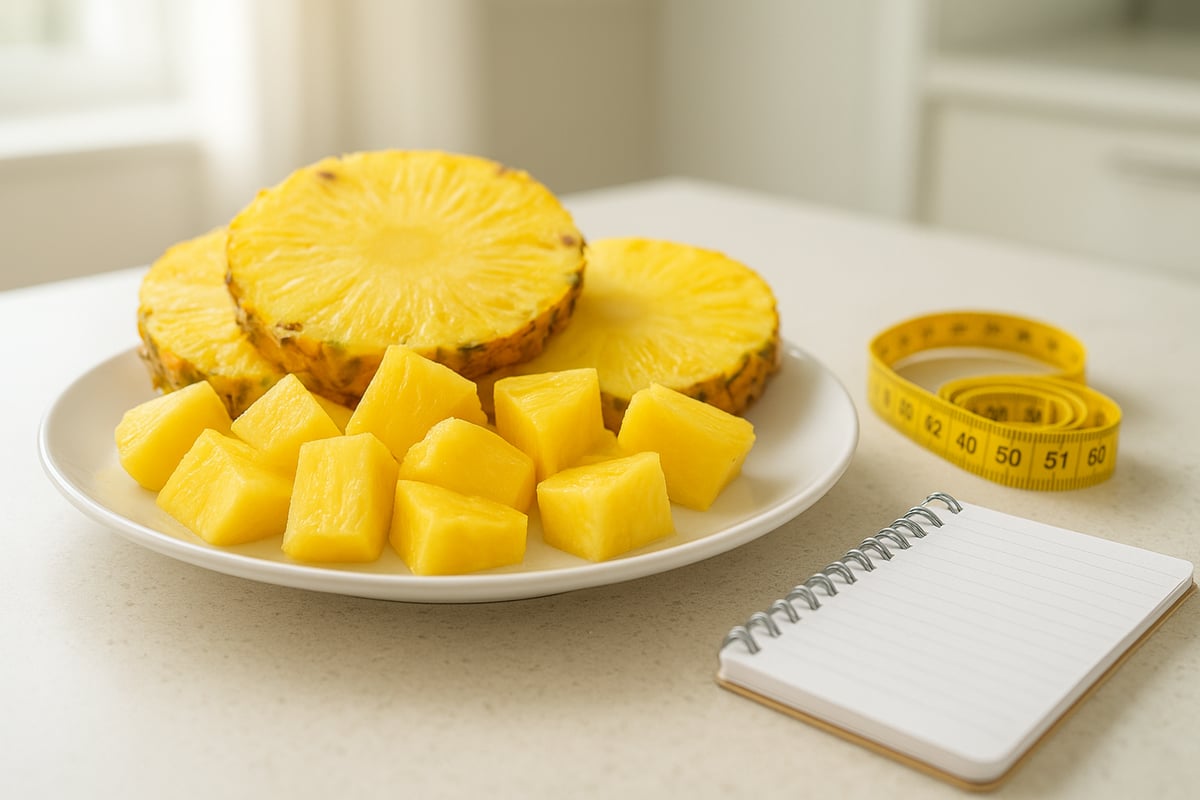
Bromelain is a natural enzyme found mainly in the stem and juice of pineapples. Some believe it’s the secret reason pineapple helps in weight loss, since it can help break down proteins and improve digestion. Research shows bromelain supports protein absorption, which may indirectly aid metabolism and fat breakdown.
However, the real-world impact is more modest than some claims suggest. Most studies highlight bromelain’s digestive benefits, not direct fat burning. While it can help your body process nutrients efficiently, there’s no magic shortcut. Instead, bromelain is one more way pineapple supports healthy, sustainable weight management as part of a balanced diet.
Appetite Suppression and Satiety
Feeling full and satisfied after meals is essential when working toward better health. Pineapple helps in weight loss by offering both water and fiber, which slow digestion and help regulate hunger hormones. This means you’re less likely to reach for extra snacks or overeat at your next meal.
Clinical studies have shown that a diet rich in fiber leads to reduced calorie intake and better appetite control. Compared to high-calorie, low-fiber snacks, pineapple’s natural composition offers a satisfying, sweet option. For more on how these factors work together, check out Pineapple’s Role in Weight Management, which explores the science behind pineapple’s impact on fullness and calorie control.
Boosting Metabolism with Nutrients
Pineapple helps in weight loss with its impressive nutrient profile. It’s packed with vitamin C, which plays a role in energy production, and manganese, a mineral that supports your metabolism. These micronutrients are vital for helping your body convert food into usable energy.
Antioxidants in pineapple also protect your cells from damage and support a healthy metabolic rate. There’s evidence that proper intake of these nutrients is linked to better thyroid function, which is essential for maintaining a healthy weight. Enjoying pineapple regularly can help you get these important nutrients without added calories.
Managing Cravings and Emotional Eating
Cravings for sweets can be a real obstacle on your weight loss journey. Pineapple helps in weight loss by delivering natural sweetness and bright flavor, making it a perfect substitute for processed desserts. Its taste satisfies sugar cravings, while its nutrients support your overall well-being.
Enjoying foods you love in a healthier way can also boost your mood and motivation. The vibrant color and juicy texture of pineapple make it a joyful treat, helping you stick to your goals without feeling deprived. Remember, building healthy habits is easier when you include foods that bring you joy.
Supporting Digestive Health for Weight Loss
A healthy digestive system is crucial for successful weight management. Pineapple helps in weight loss through its dual action: bromelain supports digestion by breaking down proteins, while dietary fiber keeps your gut regular and helps remove toxins.
There’s also a strong link between gut health and weight control. When your digestive system is working well, your body absorbs nutrients efficiently, and inflammation is reduced. This combination supports not only your waistline but your overall vitality, making pineapple a smart addition to your daily routine.
Incorporating Pineapple into a Weight Loss Diet: Step-by-Step Guide
Looking to make pineapple a star player in your weight loss journey? You’re in the right place. This step-by-step guide shows exactly how pineapple helps in weight loss, with practical tips you can use right away. Let’s break it down together so you can enjoy every sweet, juicy bite—guilt-free.
Step 1: Choosing the Right Pineapple
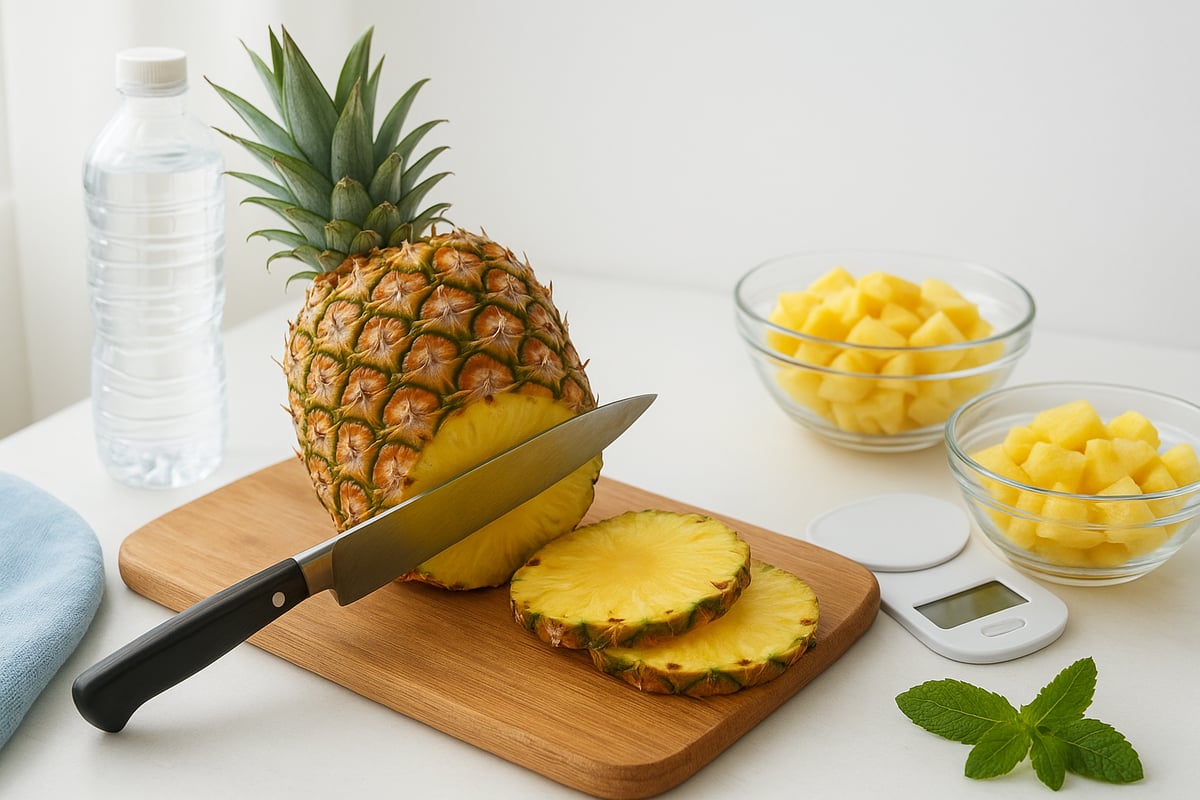
The first step to seeing how pineapple helps in weight loss is picking the best fruit. Always choose a pineapple that feels heavy for its size, with a sweet aroma at the base and fresh, green leaves. Ripe pineapples are juicier and offer the highest nutrient content.
When comparing fresh, canned, and dried pineapple, fresh is usually your best bet. Canned varieties often contain added sugars and syrups, which can increase calories and reduce health benefits. Dried pineapple is even more concentrated in sugar and calories, making portion control tricky. For the healthiest choice, opt for fresh pineapple or canned in its own juice, without added sugar.
Making the right selection sets you up for success and ensures every serving supports your goals.
Step 2: Portion Control and Serving Sizes
To maximize how pineapple helps in weight loss, stick to recommended serving sizes. One cup of fresh pineapple (about 165 grams) is ideal for a snack or meal addition. This serving keeps calories in check while delivering fiber and hydration.
Balance is key. Pair pineapple with proteins or healthy fats to keep you fuller longer. Try adding it to a Greek yogurt bowl, cottage cheese, or a handful of nuts. Need ideas? Here’s a quick meal plan:
- Breakfast: Pineapple smoothie with spinach and protein powder
- Snack: Pineapple chunks with cottage cheese
- Lunch: Grilled chicken and pineapple salad
Remember, enjoying pineapple in moderation lets you satisfy your sweet tooth and stay on track.
Step 3: Creative and Healthy Ways to Eat Pineapple
Keeping your meals interesting is part of how pineapple helps in weight loss. There are so many fun, healthy ways to enjoy this fruit. Add pineapple to smoothies for a tropical twist, toss it into salads for a burst of sweetness, or whip up a zesty pineapple salsa for tacos and grilled fish.
For dessert, try grilled pineapple slices with a sprinkle of cinnamon—sweet, smoky, and satisfying without loads of sugar. Pair pineapple with lean proteins like shrimp, chicken, or tofu to create balanced, flavorful dishes.
Mixing things up keeps your taste buds happy and helps you stick with your healthy eating plan.
Step 4: Timing Pineapple Consumption
When you eat pineapple can make a difference in how pineapple helps in weight loss. Enjoying pineapple earlier in the day, such as at breakfast or lunch, can give you a natural energy boost and help curb cravings throughout the afternoon.
Pineapple is also a smart choice for a pre-workout snack, thanks to its natural sugars and hydration benefits. Post-workout, it can help replenish energy and support muscle recovery. Try to avoid eating large amounts late at night, since the sugars may spike your energy when you want to wind down.
Find a timing routine that fits your lifestyle, and let pineapple power your day.
Step 5: Combining Pineapple with Pro-Metabolic Eating
For even better results, combine pineapple with other metabolism-friendly foods. This strategy amplifies how pineapple helps in weight loss by supporting your body’s natural fat-burning processes. Try pairing pineapple with yogurt, cottage cheese, or lean meats for balanced meals that keep you satisfied.
Curious about the science behind this approach? Check out this guide on What is the Pro-Metabolic Diet to see how pineapple fits perfectly into a pro-metabolic meal plan.
By mixing pineapple with nutrient-rich foods, you’ll create meals that are both delicious and metabolism-boosting.
Step 6: Tracking Progress and Adjusting Intake
Tracking your journey is important if you want to see how pineapple helps in weight loss over time. Use a food journal or a mobile app to record your daily pineapple intake and monitor your weight loss progress. If you notice your results stalling, adjust your portion sizes or meal timing as needed.
Stay flexible and celebrate your wins, no matter how small. Consistency is key, and keeping track helps you make smart changes for long-term success.
Remember, you’re building healthy habits that last—one slice of pineapple at a time.
Expert Opinions and Scientific Evidence
Nutrition experts agree that pineapple helps in weight loss when included as part of a balanced diet. Registered dietitians often highlight pineapple’s high vitamin C, water, and fiber content as key contributors to satiety and healthy metabolism. Many recommend pineapple for clients seeking a sweet, nutritious option without the high calories found in processed snacks.
According to nutritionist Anna Carter, “Pineapple can be a satisfying addition to a weight loss plan, especially for those who crave something sweet. Its fiber and fluid content help you feel full longer, which can aid in portion control.” However, experts also remind us to be mindful of portion sizes and to pair pineapple with proteins or healthy fats for balanced nutrition.
| Expert | Key Insight |
|---|---|
| RD Anna Carter | Promotes satiety and aids portion control |
| Dietitian Mark Lee | Best enjoyed with protein for balanced meals |

Review of Scientific Studies
Recent research explores how pineapple helps in weight loss by examining its nutrients and enzymes. Multiple studies have focused on bromelain, a unique enzyme in pineapple, and its potential role in metabolism and fat breakdown. While early animal studies show promise, the effects on humans are still being investigated.
A notable study on the anti-obesity effects of pineapple juice found that rats fed a high-fat diet experienced reduced weight gain and improved fat metabolism after consuming raw pineapple juice. Although this research is encouraging, more clinical trials in humans are needed to confirm these findings.
Overall, the scientific community agrees that pineapple’s low calorie density, fiber, and micronutrients can support weight management, but it is not a standalone solution.
Addressing Common Concerns
Some people worry that pineapple helps in weight loss is just a myth due to its natural sugar content. However, dietitians clarify that the sugars in pineapple are naturally occurring and come with fiber, which slows absorption and reduces blood sugar spikes compared to processed sweets.
Allergies to pineapple are rare but possible, especially for those sensitive to bromelain. People on certain medications, such as blood thinners, should consult their healthcare provider before increasing pineapple intake. Moderation is key, and most individuals can safely enjoy pineapple as a regular part of their diet.
If you have specific health concerns, always seek advice from a registered dietitian or your doctor before making significant dietary changes.
Real-Life Success Stories
Many individuals have found that pineapple helps in weight loss by making it easier to stick to healthy eating habits. For example, Sarah from California replaced her usual afternoon candy bar with a bowl of fresh pineapple, noticing improved energy and a steady drop in her weight over several months.
Others share that using pineapple in smoothies or salads satisfied their sweet tooth, reducing cravings for less nutritious desserts. These stories highlight how small, sustainable changes—like choosing pineapple over processed snacks—can support long-term weight management.
Testimonials from readers often mention improved digestion, better hydration, and more enjoyment in their daily meals thanks to pineapple’s bright flavor and nutritional profile.
Limitations and What Pineapple Can’t Do
While pineapple helps in weight loss, it’s important to remember it is not a magic bullet. Eating pineapple alone will not guarantee dramatic results. Weight loss is most successful when combined with a balanced diet, regular exercise, and healthy lifestyle habits.
Pineapple should be enjoyed as part of a varied meal plan that includes lean proteins, whole grains, and plenty of vegetables. It cannot replace the need for overall calorie control or consistent physical activity. Setting realistic expectations is essential—think of pineapple as a helpful ally, not a quick fix.
If you approach weight loss with patience and a holistic mindset, pineapple can be a delicious and supportive addition to your journey.
Myths and Misconceptions About Pineapple and Weight Loss
Pineapple’s rise in popularity has brought many claims and assumptions about its role in healthy living. Let’s explore the common myths and set the record straight on how pineapple helps in weight loss, based on real science and expert advice.
Debunking the “Fat Burner” Myth
One of the most persistent misconceptions is that pineapple is a magical fat burner. Many people believe that simply eating pineapple melts away fat, largely thanks to bromelain, an enzyme found in the fruit. While bromelain does help break down proteins and may support digestion, there is no solid scientific evidence that directly proves pineapple helps in weight loss by burning fat.
Marketers often exaggerate bromelain’s effects. In reality, weight loss depends on a combination of balanced nutrition, regular activity, and healthy habits. Pineapple is nutritious, but it cannot replace a holistic approach. For a broader view on how superfoods actually support weight management, check out this helpful Superfood Powders for Weight Loss guide.
Pineapple Detox Diets: Fact or Fiction?
Detox diets featuring pineapple claim to cleanse the body and speed up weight loss. These diets often involve eating only pineapple or drinking pineapple juice for several days. However, nutritionists agree these plans are not sustainable or scientifically proven. While pineapple helps in weight loss as part of a balanced diet, relying solely on this fruit can lead to nutrient deficiencies and fatigue.
Our bodies naturally detox through the liver and kidneys. Extreme diets can do more harm than good, causing muscle loss and a slower metabolism. Instead, enjoy pineapple within a varied meal plan for the best results. Remember, healthy weight loss is a journey, not a quick fix.
Sugar Content Concerns
Another myth is that pineapple’s natural sugars make it unsuitable for those wanting to lose weight. While pineapple contains fructose, it is far less concerning than the added sugars found in processed foods. When pineapple helps in weight loss, it is because of its fiber, vitamins, and low calorie density, not just its sugar content.
Eating whole pineapple in moderation does not lead to the same blood sugar spikes as candy or soda. The fruit’s fiber helps slow absorption, making it a smart snack option for most people. Always pair pineapple with protein or healthy fats for balanced energy.
Can You Eat Too Much Pineapple?
Even healthy foods can be overdone. Some people think that unlimited pineapple means unlimited benefits, but moderation is key. If pineapple helps in weight loss, it is because it’s enjoyed as part of a balanced diet, not in excessive amounts.
Watch for these signs of overconsumption:
- Mouth irritation or tenderness
- Upset stomach or diarrhea
- Blood sugar spikes for sensitive individuals
A good rule is to stick to one to two cups a day. Listen to your body and adjust as needed for your unique needs and goals.
Pineapple Recipes and Meal Ideas for Weight Loss
Looking for delicious inspiration on how pineapple helps in weight loss? We have you covered! Explore these tasty, easy recipes and meal ideas that make healthy eating feel like a tropical getaway. Each dish not only satisfies your cravings but also supports your wellness journey.
Quick and Easy Pineapple Breakfasts
Start your day with a burst of energy by incorporating pineapple into breakfast. Pineapple helps in weight loss by providing fiber and hydration, keeping you full and satisfied. Here are some morning favorites:
- Pineapple yogurt parfait: Layer Greek yogurt, pineapple chunks, and a sprinkle of oats.
- Overnight oats: Combine oats, chia seeds, milk, and pineapple for a ready-to-go meal.
- For a refreshing drink, try this Pineapple Weight Loss Smoothie Recipe packed with nutrients and flavor.
These options are simple to prep and perfect for busy mornings. Including pineapple regularly at breakfast is a tasty way to boost your weight loss efforts.
Light Lunches and Satisfying Snacks
Pineapple helps in weight loss when you swap high-calorie lunches and snacks for lighter, more nutritious choices. Try these ideas:
- Pineapple chicken salad: Mix diced chicken, pineapple, celery, and a light yogurt dressing.
- Pineapple salsa: Combine pineapple, tomato, red onion, cilantro, and lime. Enjoy with whole grain chips or as a topping for lean proteins.
- Pineapple cucumber juice: Blend pineapple with cucumber for a hydrating, low-calorie beverage.
These lunches and snacks are convenient, flavorful, and help you stay on track with your goals.
Dinner Dishes with a Tropical Twist
Add excitement to your evenings with dinners that showcase how pineapple helps in weight loss. The natural sweetness pairs wonderfully with savory dishes:
- Grilled pineapple with lean chicken or shrimp.
- Stir-fried pineapple and vegetables with tofu or turkey.
- Pineapple quinoa bowl: Mix cooked quinoa, pineapple, bell peppers, and a squeeze of lime.
These meals are balanced, satisfying, and bring a bit of the tropics to your dinner table.
Guilt-Free Pineapple Desserts
Satisfy your sweet tooth with treats that prove pineapple helps in weight loss without sacrificing flavor. Consider these easy desserts:
- Pineapple sorbet: Blend frozen pineapple with a splash of coconut water.
- Baked pineapple with cinnamon: Bake pineapple rings with a sprinkle of cinnamon and a dash of honey.
- Frozen pineapple bites: Dip pineapple chunks in Greek yogurt and freeze for a cool snack.
These desserts offer natural sweetness and keep you feeling good about your choices.
Meal Prep and Storage Tips
Consistent meal prep is key when pineapple helps in weight loss. Use these tips to keep pineapple fresh and ready:
| Task | How-To | Storage Time |
|---|---|---|
| Cutting Pineapple | Slice off top and skin, cube it | 3-5 days |
| Portioning Snacks | Divide into single-serve bags | 3-5 days |
| Freezing Pineapple | Freeze chunks in zip bags | Up to 6 months |
Prepping pineapple in advance makes it easy to grab a healthy snack or toss into recipes, helping you stay committed to your weight loss journey.


