

Are you ready to discover a delicious secret for your 2026 wellness journey? Apple juice and weight loss might not seem like an obvious duo, but they can be a powerful pair when approached with the right strategy.
This guide will show you how apple juice and weight loss can go hand in hand. With science-backed nutrition insights and a step-by-step plan, you’ll learn to use apple juice as part of a pro metabolic, nutrient-rich routine.
We’ll break down apple juice’s nutrition, explore its real effects on metabolism, separate myths from facts, and give you practical tips for lasting results. Let’s unlock the natural, enjoyable path to healthy weight loss together.
The Nutritional Profile of Apple Juice: What You Need to Know
Apple juice is more than just a sweet drink. It’s packed with nutrients that can make a real difference in your apple juice and weight loss journey. Let’s break down what’s inside each glass so you can make informed, healthy choices for your goals.
Vitamins, Minerals, and Phytochemicals in Apple Juice
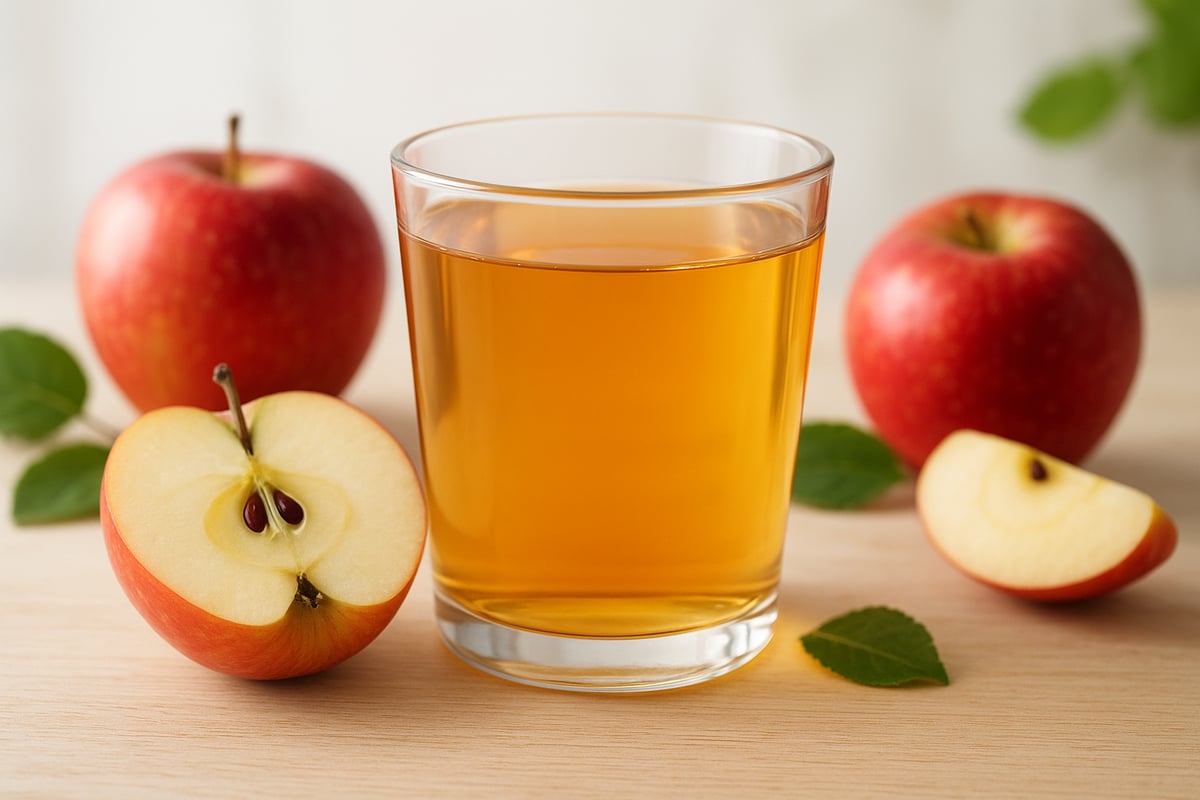
Every cup of apple juice delivers a nutritional punch that supports apple juice and weight loss. You’ll find vitamin C, which helps with immunity and collagen, and potassium, which supports hydration and muscle function. Polyphenols and antioxidants help fight oxidative stress and inflammation, both important for a healthy metabolism.
Unfiltered apple juice usually contains more polyphenols than clear varieties. Choosing the right apples can boost nutrition even more. For the best nutrient content, check out the Apples for juicing guide. Remember, a cup of apple juice can provide up to 10% of your daily vitamin C needs, making it a smart addition to your plan.
Natural Sugars and Caloric Content: Friend or Foe?
A typical cup of apple juice contains about 24g of natural sugar and around 110 calories. Compared to whole apples, juice has a higher calorie density since fiber is removed. The glycemic index of apple juice is moderate, so it raises blood sugar faster than whole fruit but slower than sodas.
Recent studies show that moderate apple juice intake doesn’t spike blood sugar in healthy adults. This is great news for those exploring apple juice and weight loss. The myth that fruit sugar is always “bad” for weight loss isn’t entirely true. It’s the overall balance of your diet that matters most.
Fiber: The Missing Link in Apple Juice
Fiber plays a key role in feeling full and supporting metabolism. When apples are juiced, most of the fiber is lost, which can affect satiety and slow digestion. Here’s a quick comparison:
| Whole Apple | Apple Juice | |
|---|---|---|
| Fiber (g/cup) | 4 | <0.5 |
For apple juice and weight loss, it’s wise to pair your drink with high-fiber snacks like nuts or whole grain toast. This helps balance blood sugar and keeps you satisfied, similar to eating the whole fruit. Remember, fiber is your friend for lasting weight management.
Preservatives, Additives, and Hidden Ingredients
Commercial apple juice often contains more than just apples. Watch out for added sugars, preservatives, and colorings, which can slow your apple juice and weight loss progress. To make the best choice, follow these tips:
- Look for “100% juice” on the label
- Check for no added sugar or artificial flavors
- Choose organic or cold-pressed options when possible
Popular brands vary in ingredients, so always read the label closely. Pure apple juice is best for supporting your goals and reducing unnecessary additives in your diet.
Portion Control: Serving Sizes and Frequency
Portion control is crucial for apple juice and weight loss. The recommended serving is 4–6 ounces per day to keep calories in check. Drinking apple juice a few times a week, rather than daily, helps maintain balance.
Experts at Harvard School of Public Health suggest moderation as the key to any successful plan. Use smaller glasses and slow sipping to avoid overconsumption. Mindful drinking, along with tracking your servings, prevents accidental calorie overload and keeps your weight loss on track.
Apple Juice and Metabolism: Scientific Insights for Weight Loss
Ready to unlock the science behind apple juice and weight loss? Let’s dive into how this refreshing drink interacts with our metabolism, appetite, and overall health. By understanding these mechanisms, we can make apple juice a smart, supportive part of our 2026 weight management journey.
How Apple Juice Affects Blood Sugar and Insulin Response
When we talk about apple juice and weight loss, many of us worry about its effect on blood sugar. Apple juice naturally contains simple sugars, which can raise blood glucose quickly, especially compared to whole apples. However, the glycemic load of apple juice is moderate, meaning it won’t always cause a dramatic spike if consumed wisely.
A 2023 meta-analysis found that moderate fruit juice intake, including apple juice, had a smaller impact on insulin sensitivity than previously thought. In fact, a recent study on glycemic response to apple juice showed that when apple juice is enzymatically treated, it can lead to an even gentler rise in blood sugar. This is good news for those of us using apple juice and weight loss strategies together.
Still, individuals with prediabetes or insulin resistance should be extra mindful. To keep blood sugar steady, try pairing apple juice with protein or healthy fats, and consider timing your intake around physical activity. These steps help minimize any unwanted spikes and support your metabolism.
Polyphenols and Antioxidants: Supporting Fat Burning
Let’s explore why apple juice and weight loss are such a great pair from a metabolic perspective. Apples are rich in polyphenols and antioxidants, which have been shown to promote fat oxidation and reduce inflammation. Polyphenols, especially from Granny Smith apples, can help support the breakdown of fat and protect cells from oxidative stress.
A 2022 Japanese study revealed that apple polyphenols were linked to reduced belly fat in overweight adults. These powerful compounds not only aid in fat burning but also help our bodies recover from exercise and daily stress. By choosing unfiltered or homemade apple juice, we can maximize the polyphenol content and boost these benefits.
Want to get the most from your apple juice and weight loss plan? Try using a slow juicer or cold-press method to preserve more of these antioxidants. Opt for apples with vibrant colors and mix varieties for a richer nutrient profile.
Appetite Regulation and Satiety: Can Apple Juice Help?
Curious if apple juice and weight loss can also mean fewer cravings? The answer depends on how and when we enjoy it. Some studies suggest that drinking apple juice before meals may help reduce overall calorie intake. For example, a 2021 study found that adults who consumed apple juice before eating felt slightly less hungry and ate less at their next meal.
However, apple juice is lower in fiber than whole apples, which means it may not keep us full for as long. If we want to use apple juice and weight loss tactics to our advantage, it helps to combine juice with a protein-rich snack or a handful of nuts. This pairing can extend feelings of fullness and prevent sudden hunger.
Let’s not forget that everyone’s body responds differently. Experiment with timing and food pairings to see what best supports your appetite—and always listen to your hunger cues.
Hydration, Digestion, and Detoxification Benefits
Hydration is a crucial part of apple juice and weight loss success. Apple juice is mostly water, making it a tasty way to boost fluid intake. Proper hydration helps our metabolism run smoothly and supports gentle digestion.
Apple juice also contains malic acid, which acts as a gentle digestive aid and supports natural liver detox pathways. Some people use juice cleanses for short-term weight loss, but these are best approached with caution. While short cleanses may help us feel lighter, they can also lead to nutrient deficiencies if relied on for too long.
The best way to use apple juice and weight loss together? Enjoy it as part of a balanced, nutrient-rich diet and let its natural hydration and digestive benefits support your daily routine.
Myths vs. Facts: Apple Juice and Weight Loss Debunked
Are you unsure if apple juice and weight loss can really go hand in hand? With so much conflicting advice out there, it is easy to get lost in the myths. Let us clear up the confusion, separate fact from fiction, and help you feel confident about making apple juice part of your healthy routine.
“Apple Juice Causes Weight Gain”—Separating Fact from Fiction
A common concern is that apple juice and weight loss do not mix because juice supposedly leads to weight gain. However, research shows that moderate apple juice intake is not directly linked to gaining weight when part of a balanced diet. In fact, a 2025 review found that enjoying fruit juice in moderation did not increase obesity risk for most adults.
The key is watching portion size and frequency. Most weight changes depend on your overall eating habits, not a single food or drink. So, with mindful servings, apple juice and weight loss can absolutely coexist.
“Juice Cleanses Are the Fastest Way to Lose Weight”
Many believe juice cleanses are the secret shortcut to weight loss. While you might see quick results initially, most of that is water weight, not fat. Extended juice-only diets can cause muscle loss, nutrient shortages, and rebound weight gain. That is why dietitians caution against using cleanses as your main strategy.
Instead, use apple juice as a nourishing supplement, not your sole source of nutrition. For a balanced perspective on this topic, check out the Juice cleanse pros and cons guide. When it comes to apple juice and weight loss, think long-term habits, not quick fixes.
“Apple Juice Is Just Sugar Water”
Some say apple juice is no better than soda, but the truth is more nuanced. While both contain sugar, apple juice is rich in vitamins, minerals, and powerful phytochemicals that support health. A 2024 survey even showed that many people underestimate the nutritional value of apple juice.
Here is a quick comparison:
| Drink | Sugar (g/cup) | Fiber (g) | Vitamin C | Polyphenols |
|---|---|---|---|---|
| Apple Juice | 24 | <0.5 | Moderate | High |
| Soda | 26 | 0 | None | None |
| Whole Apple | 19 | 4 | High | High |
Choosing high-quality juice makes a big difference. So, apple juice and weight loss are compatible when you focus on nutrition, not just sugar content.
“Only Whole Apples Aid Weight Loss”
It is true that whole apples offer more fiber, which helps with fullness. Still, apple juice and weight loss can work together, especially for busy people who want convenience. Juice can be a tasty, hydrating alternative when paired with a balanced diet.
Try combining apple juice with whole fruit for the best of both worlds. This flexible approach lets you enjoy the benefits of both forms, fitting apple juice and weight loss into your personal plan and lifestyle for long-term success.
The 2026 Apple Juice Weight Loss Success Plan: Step-by-Step Guide
Ready to turn apple juice and weight loss into your 2026 success story? This step-by-step plan is designed for real-life results, blending science-backed strategies with approachable actions. Whether you’re just starting out or looking to refine your routine, each step helps you harness apple juice and weight loss in a way that’s sustainable, satisfying, and tailored to you.

Step 1: Setting Realistic Goals and Assessing Your Starting Point
Every apple juice and weight loss journey begins with clear, personalized goals. Start by reflecting on what you hope to achieve: Do you want to lose a specific number of pounds, improve your energy, or simply build healthier habits?
Assess your starting point with tools like body composition measurements, progress photos, or a simple wellness journal. Using SMART (Specific, Measurable, Achievable, Relevant, Time-bound) goals helps you stay focused and motivated. For example, instead of “I want to lose weight,” try “I will lose 10 pounds in 3 months by adjusting my diet and including apple juice and weight loss strategies.”
Embrace a mindset centered on nourishment, not deprivation. Celebrate every small win, and remember that sustainable progress matters more than quick fixes. For more comprehensive weight loss strategies and tips, explore trusted resources to support your journey.
Step 2: Choosing the Right Apple Juice for Your Plan
Selecting the best juice is essential for apple juice and weight loss success. Look for organic, cold-pressed, and 100% pure apple juice without added sugars or preservatives. Homemade juice often preserves more nutrients and flavor, but high-quality store-bought options can also work.
Use this simple checklist when comparing juices:
| Criteria | Why It Matters |
|---|---|
| 100% Juice Label | Avoids added sugars and fillers |
| Cold-Pressed | Retains vitamins and polyphenols |
| Organic | Reduces pesticide exposure |
| No Artificial Additives | Supports clean, pro metabolic eating |
Try making your own juice: Combine fresh apples, a splash of lemon, and a little water in a juicer. Homemade juice lets you control every ingredient, maximizing the benefits for apple juice and weight loss. Avoid products labeled as “juice cocktails” or “from concentrate,” as these often contain unnecessary sugars.
Step 3: Integrating Apple Juice into a Pro Metabolic, Nourishing Diet
A balanced diet is the foundation of apple juice and weight loss. Pair your juice with foods rich in protein, healthy fats, and fiber to support metabolism and keep you satisfied. For breakfast, enjoy apple juice with Greek yogurt and a sprinkle of chia seeds. As a snack, sip juice alongside a handful of almonds or whole grain crackers.
Timing matters too. Drinking apple juice post-workout can aid recovery by replenishing glycogen and providing antioxidants. To avoid blood sugar spikes, combine juice with a protein or fiber-rich food.
Want to learn more about crafting a pro metabolic meal plan? Check out What is the pro metabolic diet for a deep dive into this nourishing approach, which complements apple juice and weight loss perfectly.
Step 4: Managing Portions and Monitoring Progress
Portion control is a game-changer for apple juice and weight loss. Stick to 4–6 ounces per serving, using smaller glasses to help with mindful sipping. Track your intake in a food journal or with an app, noting how you feel before and after drinking juice.
Monitor energy, hunger, and weekly weight changes to see what works for you. If progress stalls, adjust your juice intake or experiment with different apple varieties. Successful dieters often use visual cues, like pre-measured bottles, to avoid accidental overconsumption.
Remember, consistency beats perfection. Regularly reviewing your results helps you fine-tune your apple juice and weight loss strategy for lasting success.
Step 5: Combining Apple Juice with Movement and Lifestyle Changes
Apple juice and weight loss thrive when paired with an active lifestyle. Enjoy a small glass before or after exercise to boost hydration and recovery. Simple routines like yoga, brisk walks, or light cardio complement the pro metabolic benefits of apple juice.
Sleep and stress management also play a role. Aim for 7–9 hours of sleep each night and practice relaxation techniques to keep your metabolism humming. Building sustainable habits—like prepping juice ahead of time or setting weekly activity goals—makes apple juice and weight loss feel enjoyable rather than restrictive.
Step 6: Troubleshooting Plateaus and Common Challenges
Hitting a plateau is common in apple juice and weight loss journeys. If your progress stalls, take a closer look at hidden calories from snacks, beverages, or larger-than-intended juice servings. Adjust your plan by reducing juice volume or switching to a different apple variety.
Stay motivated by sharing your experiences with friends or online communities. Many find that accountability and support make all the difference when overcoming challenges. For additional inspiration, explore proven weight loss strategies and tips to break through stagnation and refresh your apple juice and weight loss plan.
Step 7: Personalizing Your Apple Juice Weight Loss Journey
No two people approach apple juice and weight loss the same way. Customize your plan based on dietary preferences—whether you’re gluten-free, vegan, or following another regimen. Experiment with seasonal apple varieties or cultural twists to keep things interesting.
Celebrate every milestone, no matter how small. Use tools like journals, photos, or even a rewards system to acknowledge your progress. Remember, apple juice and weight loss are all about finding what works best for you and making it a joyful, lasting part of your life.
Pro Tips and Precautions for Apple Juice Weight Loss in 2026
Unlocking the full potential of apple juice and weight loss means going beyond the basics. With a few smart strategies and a focus on safety, you can enjoy the benefits while avoiding common pitfalls. Let’s look at how to make your journey successful, sustainable, and tailored to you.
Maximizing Benefits and Avoiding Pitfalls
To get the most from apple juice and weight loss, balance is everything. Start by choosing 100% juice with no added sugar. Try diluting your juice with water or sparkling water for fewer calories per serving. Rotate apple varieties to get a wider range of nutrients and flavors.
- Use apple juice as a flavor booster in smoothies or salad dressings.
- Freeze apple juice into ice cubes for a refreshing, low-calorie treat.
- Always check labels for hidden sugars and unnecessary additives.
Research on polyphenol-rich apple juice benefits suggests that certain juices may help reduce body fat when integrated thoughtfully. Remember, moderation is key, and some people should avoid juice altogether if they have specific health concerns.
Special Considerations: Who Should Be Cautious?
Apple juice and weight loss can be a great match, but not for everyone. If you have diabetes, prediabetes, or insulin resistance, monitor your intake closely. The natural sugars in juice can impact blood sugar more quickly than whole fruit.
Here’s a quick guide:
| Group | Recommendation |
|---|---|
| Diabetes/Prediabetes | Limit or avoid, check with your provider |
| Children | Offer in small amounts, opt for whole fruit |
| Older Adults | Watch for medication interactions, hydration |
| Allergies | Avoid if you have apple allergies |
If you take medications or have health conditions, always consult your healthcare provider before making big changes to your diet.
Staying Motivated and Accountable
Sticking with apple juice and weight loss goals is easier when you celebrate progress. Set small milestones, like meeting your weekly portion targets or trying a new apple variety. Share your journey with friends, join a support group, or use an app to track your intake and energy levels.
- Celebrate small victories to stay positive.
- Use reminders and trackers to keep on course.
- Learn from others’ success stories for inspiration.
Accountability partners or online communities can make the process more enjoyable and help you overcome setbacks along the way.
Looking Ahead: Future Trends in Juice and Weight Loss
The world of apple juice and weight loss is evolving. Expect to see innovations like probiotic-fortified juices and smart juicers that maximize nutrition. Personalized nutrition plans, powered by technology, will let you tailor juice intake to your unique needs.
Stay informed by following reputable nutrition resources and research updates. The more you learn, the better you’ll be able to adapt your plan for lasting results.
Exploring new trends and tools can keep your journey fresh, fun, and effective for years to come.


